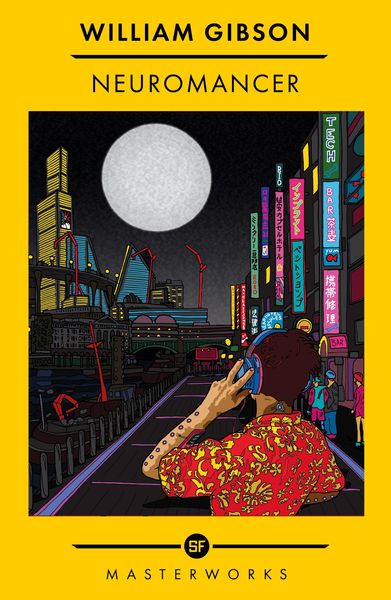
Amidst all the excitement about AI and the metaverse, I recently decided to dive into Neuromancer, the classic sci-fi novel that sparked the cyberpunk genre.
I’d heard it was a big inspiration for The Matrix, so I was curious to see how they compared. While there are definitely similarities, like the matrix itself and the tough, leather-clad female character, the plot diverges distinctly.
Instead of focusing on freeing humanity from the matrix, the book revolves around jailbreaking an AI and merging it with another AI to create a superintelligence. It kind of reminded me of Transcendence, with its futuristic vibe similar to Blade Runner, which came out around the same time as the book.
The writing style is pretty unique, almost like poetry in places, and the story feels like a wild ride. It’s not the easiest read, but it captures well the crazy journey the characters are on.
One thing that stood out to me was how the book portrays the matrix/cyberspace—it’s abstract and undefined, somewhere between VR and a system for visualizing information, kind of like augmented reality today.
It’s also somewhat ironic is that despite its visionary themes, Neuromancer didn’t foresee wireless communication. The protagonist constantly “jacks in” and “jacks out”, relying on physical cables.
It’s pretty wild to think that this book was written back in 1982, considering it tackles themes like AI and the metaverse that are becoming such big topics in 2024. Apple released its first VR set, AI got mainstream, and discussions about the risks of AI are hotter than ever. Neuromancer’s foresight is pretty impressive, making it a classic worth revisiting.
(Blog post style improved with ChatGPT)
 ://ewernli